
Mkomanzi National Park
- Rate : $1260 to $5335
- Best time : June to October
- High season : June to October
Overview
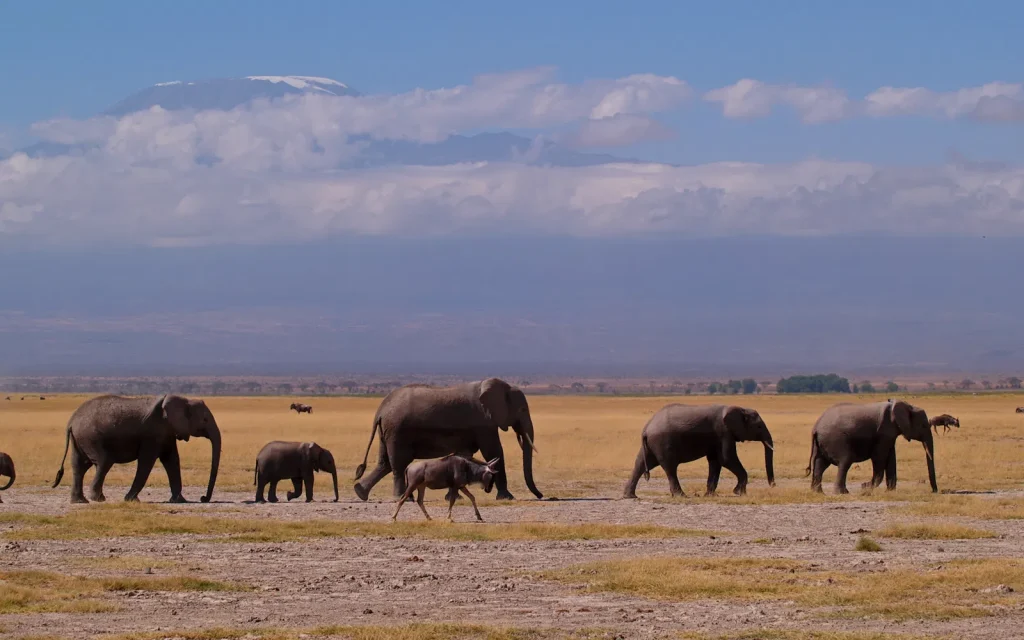
The Park finds itself in a beautiful setting with both the Pare and Usambara mountains towering above its boundaries. Depending on the weather, Mount Kilimanjaro can also be seen from the park. To the south, the pare and Usambara mountains form a dramatic backdrop and to the north, Kenya’s vast Tsavo National Park shares a border with Mkomazi, making common ground for migratory herds of elephant, oryx, and zebra during the wet season. Together with Tsavo, it forms one of the largest and most important protected ecosystems on earth.
Park Activities;
Day Game Drive;
This is the main tourism activity in the park where visitors visit different areas of attraction inside the Park using vehicles during the day.
Walking Safaris;
In Mkomazi visitors have an opportunity to walk around the Park with an armed trained Park Ranger. Can do a short walk around Dindira or a Long walk starting from the Zange area (Park’s Headquarters) to the Babus area.
Bird Watching;
The park has more than 450 bird species, including the migrant ones, birds of prey, and water birds, hence making this the best area for bird lover visitors to enjoy this activity within the Park.
Filming;
Mkomazi National Park has a good scenery full of nature’s beauty, and other attractions are found in abundance, which makes it an ideal area for filming.
Best Time to Visit Mkomazi National Park;
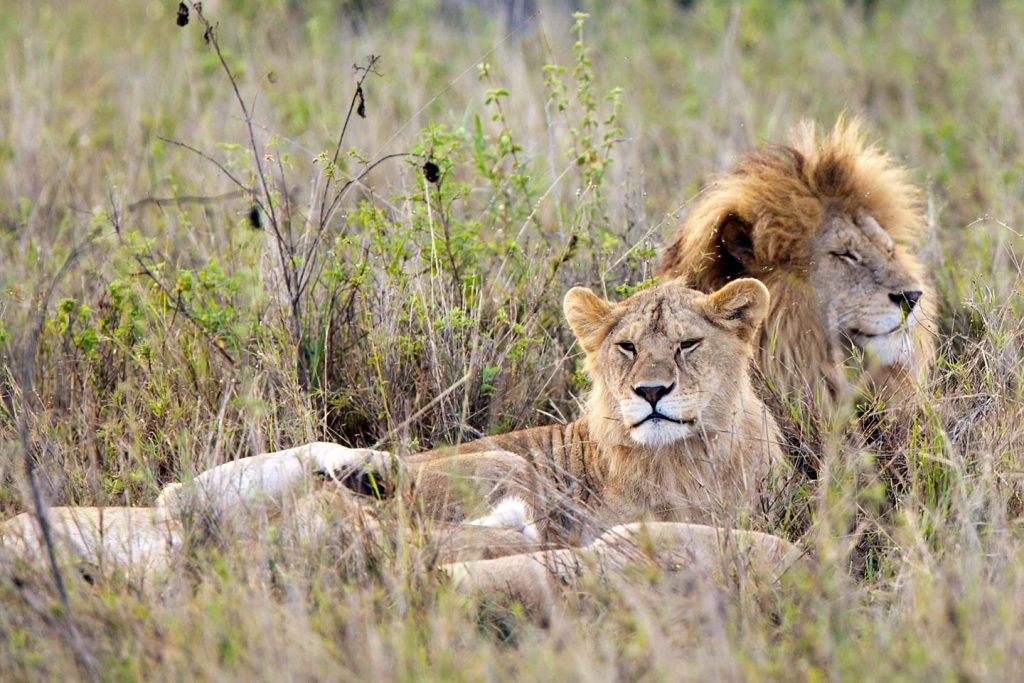
Late June to October is the prime time for watching wildlife in Mkomazi National Park. This is the Dry season; vegetation is thinner and animals gather near water. However, elephants and some other herbivores migrate to the park from neighboring Tsavo NP during the Wet season months from November to May. The general scenery and mountain views are better at this time as well.
Weather and Climate at Mkomazi National Park;
The climate in Mkomazi is usually dry and warm to hot. The warmest months are October to April, and the coldest months are May to September.
There are two Wet seasons. The ‘long rains’ are from March to May, and the ‘short rains’ are from November to December. Rains are very frequent during the rainy season but generally do not last all day.
Dry season–June to October
June, July, August, September & October – The daytime weather is clear, bright, and sunny. Afternoon temperatures of around 27°C/81°F are common. It cools off at night with minimum temperatures around 16°C/61°F. There is almost no rain in this period.
Wet season–November to May
As in the Dry season, temperatures are quite uniform, but the humidity is higher, and the heat might become distressful. Afternoon temperatures are usually around 30°C/86°F, and night temperatures are around 19°C/66°F.
November & December – ‘Short rains’, Sometime between the months of November and December comes a period of rain. These rains aren’t likely to impact your trip negatively, as it is uncommon for it to rain all day long. Afternoon showers are more likely.
January & February – There tends to be a drier spell with less rain between the short and long rains. The exact timing is uncertain.
March, April & May – ‘Long rains’ – It rains with more frequency although not often for the whole day. These months are the wettest, and the most cloud-covered. The humidity is heightened, and it might feel very hot.
Experience Tanzania Safaris


- 5-Day Experience Luxury Tanzania Wildlife Safari
- Northern, Tanzania
- 5 Days / 4 Nights
